







Phishing Problem and Solution Path
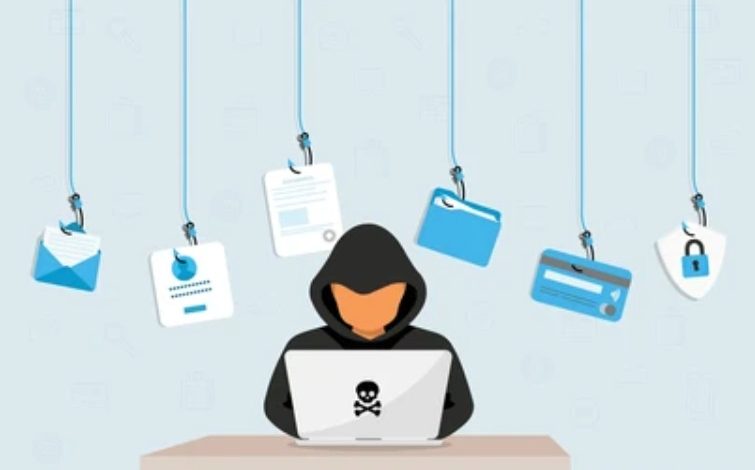
- Persistent human risk: Phishing continues to be a leading threat; approximately 60% of breaches involve human errors, according to Verizon’s DBIR.
- Basic protections offered: Free or entry-level tools provide spam filtering and email reporting features, while premium versions add pre-delivery content scanning.
Limitations of Free Tools
- Restricted access
- Advanced phishing simulations and training are typically locked behind paywalls—leaving smaller organizations more vulnerable.
- SMBs suffer disproportionately from ransomware-related breaches (~88%) compared to larger organizations (~39%).
- Lack of depth & customization
- Free tools focus on basic detection and miss complex phishing or social engineering tactics relevant to specific roles or industries.
- Limited cultural impact
- They fail to embed security into organizational culture or provide tailored, ongoing security reinforcement.
Building Stronger Security Awareness
The article outlines three core dimensions of an effective security awareness program:
- Behavioral focus beyond recognition
Real awareness encourages safe practices (password hygiene, browsing habits, data handling) and guards against modern scams like deepfake impersonations. - Role-based training
Different employees face distinct risks—e.g., executives targeted by whaling, finance teams hit by BEC attacks. Tailored training significantly improves effectiveness; yet over 30% of organizations still use one-size-fits-all content. - Fostering a security-first culture
It requires:
- Frequent, realistic simulations
- Leadership support
- Linkage of training outcomes to real-world logs and incidents
- Continual reinforcement to transform awareness into sustained behavior.
The Next Phase: Human Risk Management
- Integration of diverse data sources
EHMs (Employee Human Risk Management) systems merge endpoint logs, phishing simulation results, badge access patterns, etc., into unified risk scores—mirroring how SIEM tools centralized technical logs. - AI-driven personalization
Advanced platforms use machine learning to detect anomalous behaviors (e.g., credential theft, device bypassing) and deliver tailored training or coaching.
Choosing the Right Solution
Organizations moving beyond free tools should look for:
- Comprehensive content libraries covering phishing and emerging threats
- Multiple learning formats (videos, microlearning, gamification)
- Role-specific customization
- Integration with existing security tools for real-time nudges
- Advanced reporting and analytics showing behavior change and risk trends
- Strong vendor support and ongoing expertise.
Bottom Line
Free phishing tools are a useful starting point—but not a complete solution. To truly reduce human risk, organizations must adopt a holistic approach: drive behavior change, tailor training, build sustainable security culture, and use integrated, data-driven risk management. Without it, exposure to modern threats—like deepfakes and AI-enabled social engineering—remains dangerously high.